Real Estate · Riyadh Daily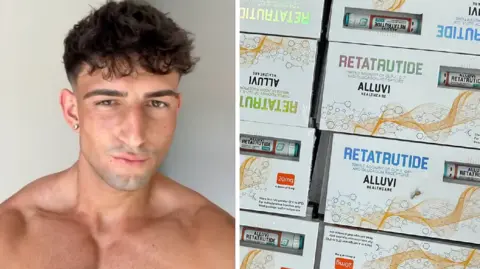
Excitement around the creation of a new drug, especially one showing early promise in clinical trials, is often celebrated by those developing it. However, retatrutide—a weight-loss drug still in Phase III trials—has become a major concern due to the proliferation of counterfeit versions flooding the black market. These fake versions, sold in gyms, salons, and even on street corners, are being promoted as legitimate retatrutide despite the drug’s unapproved status.
Experts warn that users are injecting illegal substances, risking severe health consequences. Tom Davies, a 20-year-old who accidentally overdosed on a fake retatrutide, nearly ended up in hospital after experiencing severe nausea, vomiting, and bloating. Pharmacist Sehar Shahid describes the situation as alarming, noting that people openly discuss dealers and social media sales, unaware of the potential dangers. Fake retatrutide is being marketed as a safe alternative, despite Eli Lilly’s warnings that unapproved versions may contain harmful contaminants or incorrect dosages.
The real retatrutide, if approved, would be the first weight-loss drug to target three hormones (GLP-1, GIP, and glucagon), offering a potential breakthrough in obesity treatment. However, its safety and efficacy remain unproven. Only 50% of drugs in Phase III trials are approved by the FDA, and even then, they may fail due to safety issues or lack of effectiveness in diverse populations. Meanwhile, counterfeit versions are being sold without oversight, with users reporting side effects like kidney failure, brain fog, and loss of libido.
Eli Lilly is actively combating the black market by working with law enforcement and regulatory agencies to shut down illegal sales. The UK’s MHRA has seized over 2,000 unlicensed retatrutide pens, while the company has reported more than 14,000 illegal marketing attempts. Despite the risks, some users report dramatic weight loss and improved health, though experts caution that results vary widely. The drug’s future remains uncertain, with Eli Lilly planning FDA approval by late 2027 and potential UK market entry by 2028, if approved at all.
The case highlights the dangers of unregulated weight-loss drugs, as well as the ethical concerns surrounding the exploitation of experimental medications. While real retatrutide could revolutionize obesity treatment, its unapproved counterfeit versions pose serious health risks to unsuspecting consumers.
Source: BBC